Prestige 2027: A Look Ahead at What Awaits In the Brand’s New Phase
Shoppers starts asking tougher questions about a fashion label periodically — and Prestige, heading into 2027, is now at that very juncture. Shoppers searching “what is Prestige” today come across a brand that has moved from an obscure streetwear interest to an established name in casual and elevated basics. The change was far from sudden. It happened through a slow accumulation of product decisions, a refining of the structure of the Prestige collection, and a refusal to chase trends that did not fit its core identity. This article looks at what the next stage is likely to bring, grounded in what the brand has already shown, not conjecture presented as fact.
Those just discovering the label should think of Prestige as a brand centered on, rather than chasing seasonal spectacle, dependable basics. The Prestige hoodie line, in particular, has become the anchor product that most new customers discover first, often through word of mouth or a Prestige review shared in a community forum rather than a paid ad. Because that organic discovery trend carries weight, it shapes the brand’s 2027 planning—prioritizing greater focus in established bestsellers over unfocused experimentation.
How The Brand Sits At This Moment
Prior to forecasting what’s next, it’s worth examining how Prestige clothing is positioned right now. Prestige mainly runs its business through its own Prestige store channels, keeping distribution tighter than many competitors who spread thin across dozens of marketplaces. This is a deliberate choice. This restrained approach to distribution means the label oversees its own presentation, pricing stability, and the rollout pace of new releases, and this, in turn, molds how customers perceive scarcity and quality.
The modern https://prestige-collection.org/shorts-sweatpants/ phase of Prestige’s clothes is marked by six things, and every one carries into the 2027 outlook:
- In place of pursuing rapidly-turning fashion fads, priority is given to hoodies, sweatshirts, and essential layering pieces.
- The Prestige storefront acts as the chief purchasing channel for selling directly to consumers.
- Limited-run collection drops rather than ongoing bulk replenishment.
- A customer base that skews toward returning customers instead of casual one-off buyers.
- Grassroots customer reviews functioning as the main trust signal for first-time buyers.
- Compared to fast-fashion competitors, growth proceeds at a slower, more deliberate pace.
What 2027 will look like can be forecasted using every one of these elements, since fashion houses rarely abandon a formula that is already delivering results. Instead, they polish it further, which is just the kind of pattern visible in Prestige’s recent collection cadence.
The Pivot Toward Thoughtful Expansion
Watering down what makes a label distinct is often the price of expansion without purpose, yet Prestige seems to be steering clear of this pitfall. Rather than saturating the market with fresh SKUs each month, the brand has opted for fewer releases with more attention to construction and fit. That approach costs more in planning time, but it pays off in customer retention, since shoppers who feel a brand is consistent are much more inclined to come back.
Expect 2027 to bring a similar rhythm: seasonal collections released in smaller batches, each one refining rather than replacing the last. This isn’t a brand darting after each micro-trend that pops up on social platforms. Rather, it’s a brand banking on consistency snowballing into loyalty, a bet that has already paid off in the steady rise of repeat purchase rates reported anecdotally across customer reviews.
What Prestige 2027 Probably Signals for Its Product Lines
The term “Prestige 2027” is already making the rounds among customers trying to guess what’s next for the brand, with the most grounded assumptions resting in a handful of specific areas rather than any dramatic overhaul. First, expect ongoing focus on the hoodie line, since it remains the product most associated with the brand’s identity and the one most frequently mentioned in a Prestige review. Next, expect the collection structure to stay seasonal rather than constant, maintaining the anticipation that has worked in the brand’s favour.
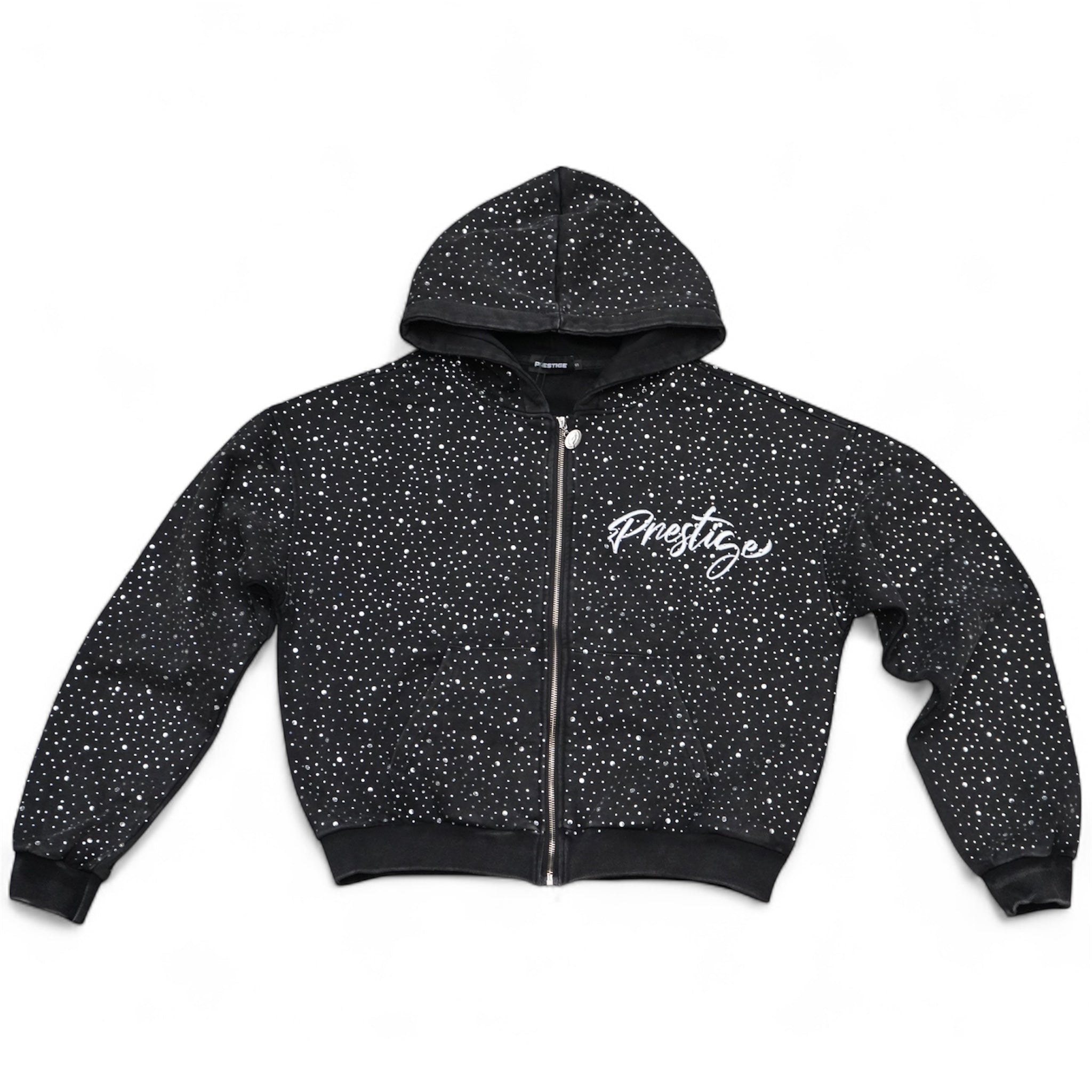
Third, a point worth keeping an eye on, expect incremental improvements to fabric weight and fit consistency instead of a full overhaul of silhouettes. Labels that have earned trust through fit seldom risk losing it. As a fourth point, expect the shopping experience on the Prestige store to become more polished, with sizing guidance and product pages taking over tasks customer service currently manages by hand. As a fifth point, scarce colourways are likely to remain the go-to method for generating urgency, rather than relying on continuous markdowns. Sixth, shopper-driven feedback loops, namely the reviews and comments left behind, will continue to influence which pieces are restocked and which quietly disappear from the lineup.
None of this suggests dramatic reinvention. Rather, it points to a brand leaning further into what has already resonated, while refining away the imperfections that often come with early growth.
Prestige Versus Similar Direct-to-Consumer Brands
Context is essential when assessing any brand’s trajectory, so it helps to place Prestige alongside the general category of direct-to-consumer casualwear labels it competes with. The following table contrasts typical characteristics across three common approaches within this space: a tightly curated brand like Prestige, a mass-producing fast-fashion competitor, and a label distributed through traditional retail channels.
| Defining Feature | Curated DTC Approach in the Prestige Style | Speed-Driven Fashion Player | Traditional Retail-Distributed Brand |
|---|---|---|---|
| Drop Rhythm | Per-season, limited runs | Ongoing or week-by-week drops | Sizable batches released biannually |
| Main Distribution Channel | Own store, direct-to-consumer | Own site plus third-party channels | Wholesalers and big-box stores |
| Core trust signal | Customer reviews and returning buyers | Scale and low price | Store presence and brand heritage |
| Product focus | Core staples refined over time | Quick turnover built around the trend cycle | Middling turnover across a broad catalog |
| Replenishment Pattern | Exclusivity-driven, held scarce | Perpetual restocking | Seasonal restocking |
Laying it out this way makes the reasoning behind Prestige’s choices easier to see. By sticking to the curated-DTC approach, the brand trades sheer volume for deeper connection with its buyers, a trade that typically privileges lasting brand value over momentary sales bursts.
What Shoppers Should Look For When Buying
For those thinking about buying, a few sensible habits reduce friction along the way and reduce the chance of disappointment. Looking over a fresh Prestige review ahead of purchase is worth the two minutes it takes, since fit and fabric feedback from actual buyers tends to be more reliable than brand messaging. Going straight to the Prestige store to confirm what’s currently in stock is also more sensible than relying on third-party resellers, who sometimes inflate the price of limited releases significantly.
Consider these habits before you check out:
- Confirm current size guidance rather than relying on memory from a previous purchase.
- Read at least two or three independent reviews rather than only the testimonials highlighted on-site.
- Watch for restock announcements if a specific piece from the collection sells out quickly.
- Cross-check fabric details between similar pieces to get a sense of weight and drape variations.
- Purchase only via official channels to avoid marked-up resale pricing on limited drops.
These habits apply whether someone is buying their first Prestige hoodie or their 10th piece from the brand. Being familiar with the brand does not remove the value of due diligence, especially as new lines get introduced.
Zooming Out: The Outlook for 2027
Taking a wider view, the story of Prestige heading into 2027 is one of discipline rather than reinvention. The brand has built its identity on a narrow set of product categories, a controlled sales channel, and a customer base that remains loyal enough to come back without steep discounting or aggressive advertising. That base lacks flash, yet it endures, and staying power tends to beat hype over multiyear timelines.
Even as silhouette, material, and hue decisions change, shoppers who have followed the line since its earlier-days collections will likely identify the DNA in future releases. Those Googling “what is Prestige” for the first time should prepare for a label that values a slower approach: fewer drops, but each one considered, and a community of buyers whose reviews carry real weight in shaping the catalog. It’s a modest promise set against brands touting endless reinvention, but Prestige has kept it consistently, and that very consistency is what will shape its next chapter.